Should You Discard Your Records After Filing Taxes?
How long should you keep your tax records after filing? Both individuals and business owners struggle with this question every year. It is important that you are holding onto your records for the suggested amount of time in case of an audit or when filing an amendment is required.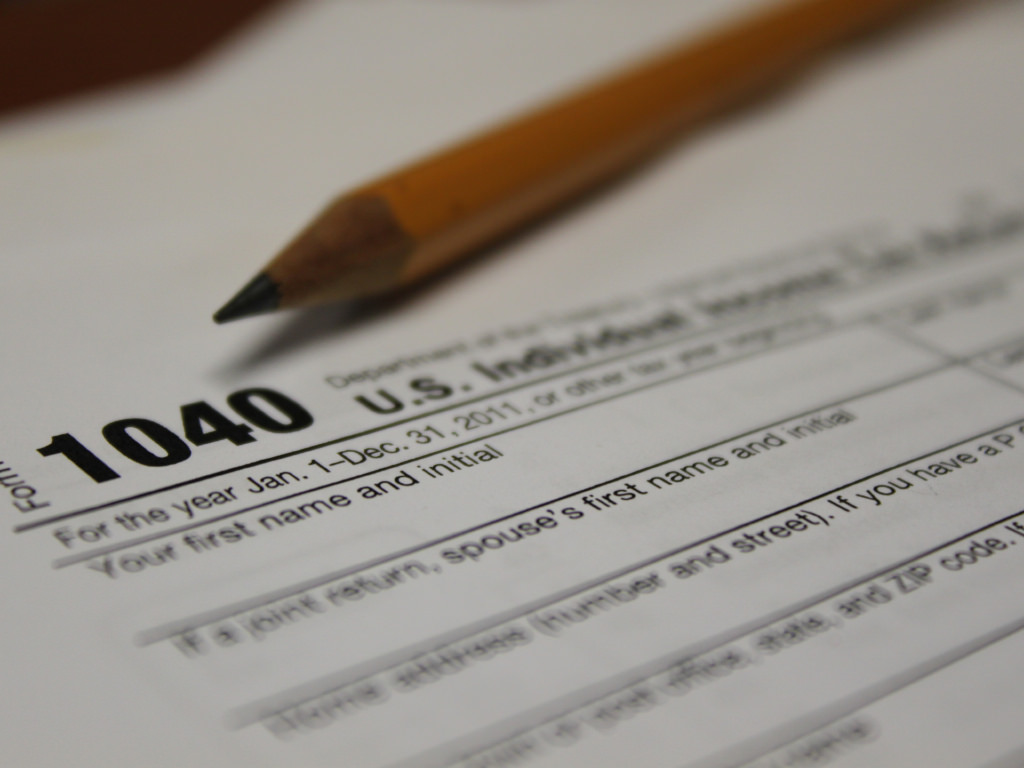
2 Years
You can discard your tax returns two years after a tax liability is paid. You can also toss your tax records after two years if you received a refund. Businesses should keep their records, at least in the form of a copy of a filed return.
3 Years
If you have filed your tax return and all of the liabilities or monies owed to you are taken care of, you can discard the return after three years. This only applies to individuals. Businesses are advised to keep records for the entirety of the business.
7 Years
If you have filed any type of claim that shows a loss, such as a capital loss on an investment, you should keep your records for 7 years. This is also the case if you have losses from worthless securities. Bad debt deductions, when documented, also require that you keep your records for 7 years.
Final Thoughts
It is a good idea for businesses to keep record of all of their taxes from the date of origin. Delayed tax issues and scandals can come about, meaning that a look further into your tax history may be required. If you do not file a paper return, maintain access to your electronically filed returns and print physical copies to keep on file.
Image credit: Philip Taylor


