Why Your Business is Never Too Small to Hire an Accountant

Small Businesses Should Hire an Accountant
“I would love to hire an accountant but my business is too small,” is an excuse many business owners often use when asked why they have yet to hire an accountant for their company. The idea that small businesses shouldn’t hire an accountant may seem sensible at first, but in reality it’s not. In fact, hiring an accountant could actually prove to be a great step for businesses which are very small.
Here are two reasons why your business is never too small to hire an accountant:
You Want To Grow
Every business owner dreams of growing their business, and if you truly want to grow as a business owner you’ll want to hurry up and hire an accountant. Not only can an accountant help you see where you are financially, they can also help you reach those goals that you’re hoping to reach sooner rather than later.
You Want To Hire Talent
You have to prepare for the things you plan for even if it’s 5 or 10 years down the road. Hiring new talent is no different. Many accountants believe that many companies are forced to deal with unfortunate layoffs because they hire talent prematurely. If you want to make sure you don’t hire talent before you can afford them, your accountant can help you determine when and when not to hire new talent. Best part of all: you don’t have to worry about spending money on new employees that you may not really have in the bank.
What reasons have you heard business owners say they can’t hire an accountant? Leave your comments below.
Image credit: reynermedia
Three Signs You Need To Stop DIY Accounting and Hire a CPA
There are several types of software available on the market now which have literally turned everyone who owns a business into a DIY (do-it-yourself) accountant. Though accounting software can save you a ton of money, it can also cost you thousands if you make one or two wrong missteps as it relates to your accounting records. Before you end up costing yourself thousands of dollars, here are three signs that you need to stop doing it yourself and hire a CPA.
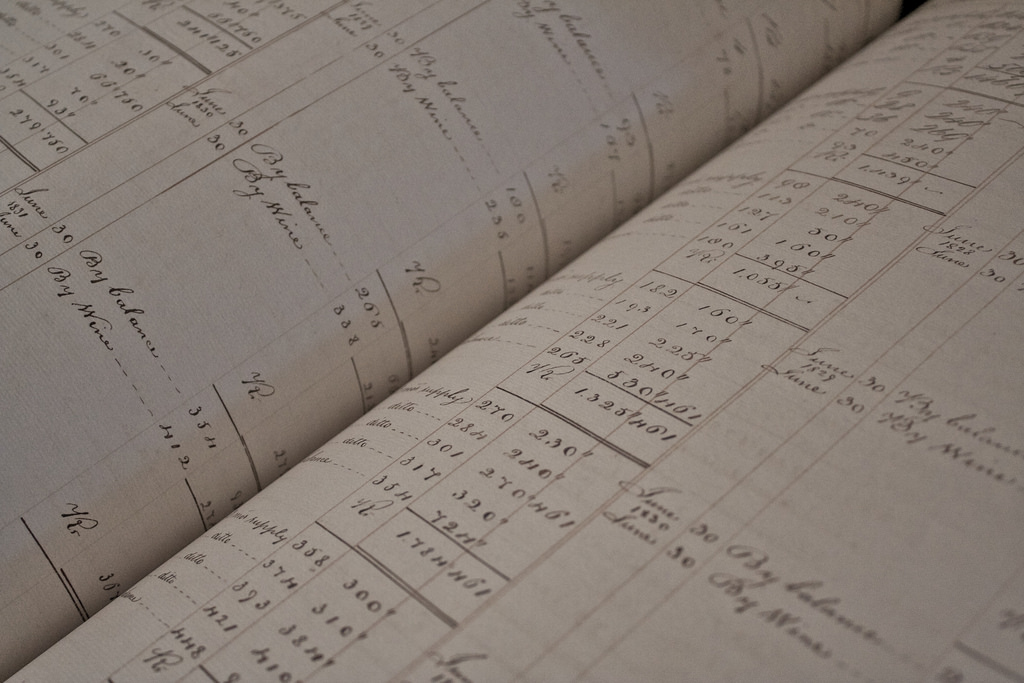
DIY Accounting
You Are Spending More Money Than You Are Making
Are you spending more money than you are making? You probably have a problem with financial literacy. In order for any business to grow, you must manage not only what’s coming in but what’s coming out and if you can’t seem to gain control of your spending, it’s time to call a professional.
You Always End Up With Back Taxes
Back taxes are a nightmare for anyone. If you find yourself always owing back taxes every single year, perhaps a CPA can help you with sorting through your taxes every single year. This could include helping you identify deductions or helping you make better financial reporting decisions throughout the year.
You Don’t Know What You’re Doing
Do you find yourself constantly spinning wheels as it relates to your accounting because you have no idea what you’re doing? Stop right now and hire a professional. Instead of spinning your wheels on accounting, you could be spinning your wheels elsewhere.
Image credit: futureshape
The Differences between CPAs & Accountants

CPAs & Accountants
Accountants and CPAs are two titles which are often thrown around the business world. These are the two titles which have the power to make or break your company. Any company which continues to stand strong over the years is probably able to do so thanks to a great CPA or accountant.
In order to be an accountant all you need to do is be good with numbers, know how to use bookkeeping software, and be good with analytical reasoning. Normally, these are the people who work within an accounting department and don’t necessarily have the education or the certifications in order to do the job. Additionally, these people are not forced to have certain certifications. Many accountants also have the ability to prepare taxes as long as they pass the IRS test to receive a PTIN.
A CPA (or Certified Public Accountant) stands out above all other accountants. Most CPAs fulfill the following:
- Earn an accounting degree from an accredited college or university.
- Pass all four parts of the CPA Examination, which includes: auditing and attestation, financial accounting and reporting, regulation, and business environment and concepts. (Beginning July 1, 2015, students in Colorado must earn 150 hours of education prior to sitting for the Exam.)
- Pass the Professional Ethics Exam from the American Institute of CPAs.
- Obtain 1,800 work hours (usually one year) under the direct supervision of an actively licensed CPA.
So while both CPAs and accountants are very vital to practically any business, knowing how to differentiate the two is what will help your business as it relates to knowing what your accountant is legally and not legally able to do.
Did you know there was a difference between CPAs and accountants? What did you think the difference was? We want to hear your thoughts. Please leave your comments below.
Image credit: TaxRebate.org.uk
The Advantages of Filing a Tax Return with a CPA

Filing Taxes with a CPA
CPAs are certified to handle all types of tax and accounting issues. Because they are so well acquainted with these types of issues, there are several distinct advantages of filing taxes with the aid of a CPA.
Here are a few of these advantages:
Organization
CPAs can help you create a budget to help you with unpaid taxes. They can assist you with working out payment plans with the IRS; they can also help you identify ways you can save or better invest your money. Hiring a CPA to do monthly accounting can also help you better organize your finances in the future.
Avoiding Fraud
CPAs are certified by the local government, and because of this, they are frequently audited by the IRS. As a result, hiring a CPA can help you avoid working with fraudulent tax professionals and also help you avoid identity theft in the process of filing your taxes because certified tax professionals are aware of the various tax identity scams most commonly perpetrated during tax time.
IRS Audits
The services of CPAs are among of the most effective ways of combating an IRS tax audit. CPAs often develop relationships with the IRS as well as tax lawyers; what’s more, they can also make referrals and can relay information to the IRS on behalf of their clients.
Saving Money
CPAs can help you save money with all of their specialized knowledge of deductions and credits. Additionally, hiring a CPA can help you avoid making mistakes on your return which could cause you to develop a higher tax burden.
Though individuals and businesses are able to file taxes on their own, it’s always best to consult with a CPA in order to receive the best bang for your buck.
Image credit: www.cafecredit.com
Five Ways Your Accountant Can Help Your Start-Up Company
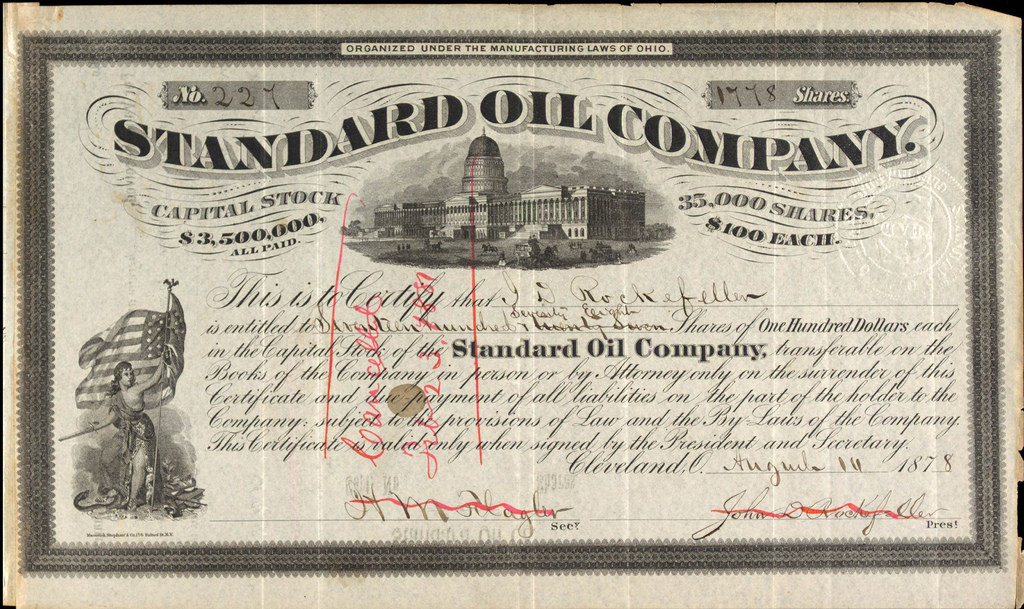
Your New Company
When people start a business, one of the first things they tend to think about is whether they need to hire an accountant. While there are many who believe that hiring an accountant isn’t necessary until you start making a certain amount of money, hiring an accountant right when you open your business can be a desirable thing.
Here are five reasons that hiring an accountant during the start-up phase of your company may be a good decision:
Open a Bank Account
Whether you know it or not, it is never a good idea to merge your business and personal bank accounts into a single account. Having a separate business account can keep you from using personal funds to pay for business expenses. Your accountant can help manage your business account and ensure that you don’t need to use your personal finances.
Track Your Expenses
If you’re working on growing your business, you probably don’t have time to track every single expense that you have. As a consequence, it may be best to simply hire an accountant to track your expenses for you. The only thing you have to do is give them access to your mobile banking for your business or hand them physical records of any spending you do (including receipts and invoices).
Determine Payment Arrangements
Will you pay your employees on the 1st and the 15th? Will you pay them via a paper check or through direct deposit? While you may not have all the answers yet, your accountant can help you determine the best route to take. While these may seem like minor details, determining payment arrangements will not only help your company save time but it can also help your company track expenses.
Establish Tax Procedures
Establishing tax procedures is probably not a high priority on your “to do list” when you first start your business. But though it may not seem like a pressing matter to you, it is still an important box which needs to be checked off, and your accountant can help you do this right away. Establishing tax procedures will ensure that you are well prepared when tax season rolls around.
Determine How You Will Be Paid
As you complete jobs for your clients, you will want to be paid in the same manner every time. Determining how you as a business owner will get paid will not only save you from a headache in the future but it will establish clear boundaries between you and your clients.
Image credit: FinanceMuseum
Three Qualities No CPA Should Have

Bad CPA Qualities
We all know the qualities that every good CPA should have and we work hard to make sure that we hire CPAs who possess the qualities required to make our businesses both profitable and respectable in the business world.
While we may spend a lot of time working on trying to identify the good qualities CPAs should have, it is also important to be aware of the various traits which CPAs should not possess.
Here are a few qualities you should be sure your CPA does not possess:
Bad Money Management Skills
If your CPA is unable to manage money well they shouldn’t be your CPA. Most people hire CPAs because they struggled to successfully manage their own finances and hiring someone who struggles with this same issue is not a healthy decision for your business.
Yes Man Syndrome
A yes man is someone who always says yes to everything that the boss says no matter if it’s wrong or not. You don’t want your CPA to have “yes man syndrome” because they’ll lie to you about your finances and may cause you to fall deeper into a financial hole.
Negativity
When you hire a CPA you probably already know that your finances are not in the place they should be in; however, the last thing you need to hear is someone else being negative about your business. Hiring a negative CPA could not only destroy the culture of your company, it could also negatively impact the company’s financial future.
Image credit: Elizabeth Hahn
Six Little Known Facts about CPAs

Accounting
When most people think about CPAs, they think of math whizzes, and of brainiacs who are in charge of how their companies spend money. While in some cases CPAs may be math whizzes or brainiacs, there’s actually more to them than what meets the eye.
Here are six little known facts about CPAs:
No Four Year Degree Necessary
Despite common misconceptions, you don’t have to have a 4-year degree to be a CPA. In fact, a 2-year degree will suffice just fine. An online course will also suffice just as long as you learn the material necessary to take the CPA exam.
CPAs are in High Demand
In the United States, CPAs are generally in high demand, and more demand often means more competition. While a 4-year degree doesn’t guarantee you will win the job, you do want to make sure you are doing everything possible to stand above all of the other competition.
CPAs Can Help You Fire Bad Employees
A good CPA knows how to work not only with your finances but also with other relevant business issues. They’re able to look at data and determine not only what’s costing you money but whose job is costing you money. This could easily turn into a recommendation from your CPA to let certain employees go if it’s discovered that their jobs have become bad company investments.
Most Accountants Love Their Jobs
According to a survey of thousands of CPAs from across the United States, it was determined that most CPAs love their jobs. In fact, 7 out of 10 stated that if they could do it all over again they would still choose accounting as their career.
Accountants Play a Huge Role at the Academy Awards
During the Academy Awards many people spend hours gushing over their favorite actors and actresses when people should really be gushing over the accountants. Prior to the show, accountants hired by the Academy literally go and count every single ballot by hand.
Accounting Jobs Pay Extremely Well
This may or may not be surprising to many, but accounting jobs pay extremely well. The increased demand for new hires actually makes accounting jobs even more lucrative.
Image credit: photosteve101
Should You Discard Your Records After Filing Taxes?
How long should you keep your tax records after filing? Both individuals and business owners struggle with this question every year. It is important that you are holding onto your records for the suggested amount of time in case of an audit or when filing an amendment is required.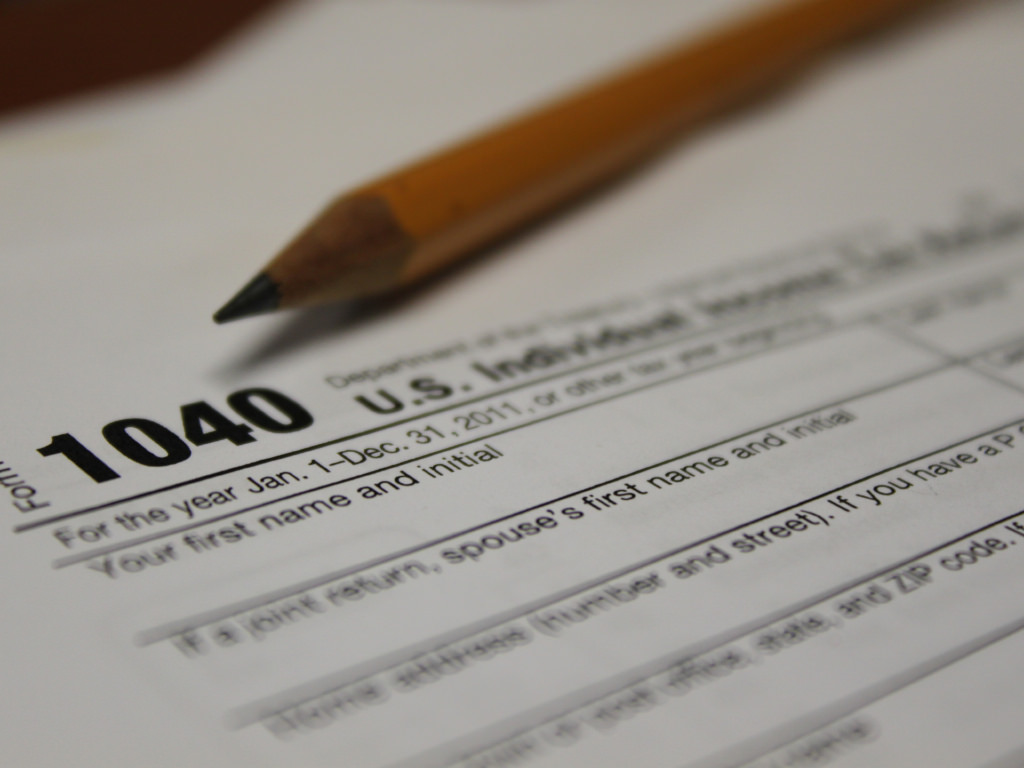
2 Years
You can discard your tax returns two years after a tax liability is paid. You can also toss your tax records after two years if you received a refund. Businesses should keep their records, at least in the form of a copy of a filed return.
3 Years
If you have filed your tax return and all of the liabilities or monies owed to you are taken care of, you can discard the return after three years. This only applies to individuals. Businesses are advised to keep records for the entirety of the business.
7 Years
If you have filed any type of claim that shows a loss, such as a capital loss on an investment, you should keep your records for 7 years. This is also the case if you have losses from worthless securities. Bad debt deductions, when documented, also require that you keep your records for 7 years.
Final Thoughts
It is a good idea for businesses to keep record of all of their taxes from the date of origin. Delayed tax issues and scandals can come about, meaning that a look further into your tax history may be required. If you do not file a paper return, maintain access to your electronically filed returns and print physical copies to keep on file.
Image credit: Philip Taylor
Three Myths about Taxes
It can be difficult to understand tax language because of its complexity. The complexity of tax language often leads to misinterpretations of tax laws. Believing some of these misinterpretations can lead to mistakes on your tax return. Today we will discuss three common myths which surround taxes and provide clarification so you can avoid making mistakes in the future.
Students are Exempt
If a student earns less than $9,000 in a tax year, they are exempt from paying taxes. While students do not have to start paying back student loans until after graduation, that does not exempt them from paying taxes. Students are still responsible for paying federal and state taxes on all income over $9,000.
Having a Home Office is an Automatic Audit
Having a home office will not necessarily lead to an audit. But is important to review what can be claimed and what counts as a deduction to ensure that you are taking the proper steps for claiming your home office. Your numbers must make sense to the IRS.
Holding Accountants Liable for Mistakes
Accountants are not liable for mistakes on your tax return. You are signing the return and it is your duty to double-check all of the information on your return. If you notice a mistake or believe something is off, it is ideal to question your accountant before allowing your return to be submitted.
In Closing
If you are unsure about a tax law, it is important to research the answer or call a professional. Tax laws can change, so what is law this year may not be next year. Stay up-to-date on the laws that pertain to your tax situation to prevent return rejections and audits.
Image credit: Alan Cleaver
How does the Cash Payment Option for Taxes Work?
If you are unable to pay your taxes through any other form of currency other than cash, it is important for you to know that the Internal Revenue Service is now providing services for cash-only taxpayers. The IRS is working in coordination with companies, such as ACI Worldwide, the PayNearMe Company, and 7-Eleven in order to provide this option.
How It Works
Taxpayers interested in paying their taxes with cash, need to visit the IRS’s official website and select the cash option button in the “other ways” section of website’s payments page. From there, they will receive an official email from OfficialPayments.com to confirm their information.
Once the taxpayer responds and all information is verified, PayNearMe sends an email link with a payment code and instructions on how to use that code to pay for taxes. This code can be printed or sent to a taxpayer’s smartphone along with a list of 7-Eleven stores which participate in the Cash Payment Option program. All taxpayers are provided with a receipt once the transaction is completed. Payment is usually processed by the IRS within two business days.
In addition, taxpayers participating in this program can only pay up to $1,000 per day, and are subject to $3.99 service charge for each transaction that they make.
Using the Option
If you are considering using this option to pay your taxes, start the process well in advance of your tax payment deadline. The option is a three-step process and the IRS encourages early enrollment.
Image credit: Kurtis Garbutt


