How Dual Citizenship Affects Your Taxes
Dual citizenship may seem like a good idea upon cursory inspection, but this idea may change as soon as tax time rolls around. The easiest dual citizenship status to work with is Canadian and American. When you start working with an American citizenship and an overseas citizenship, things get confusing. An international tax expert is helpful in these situations.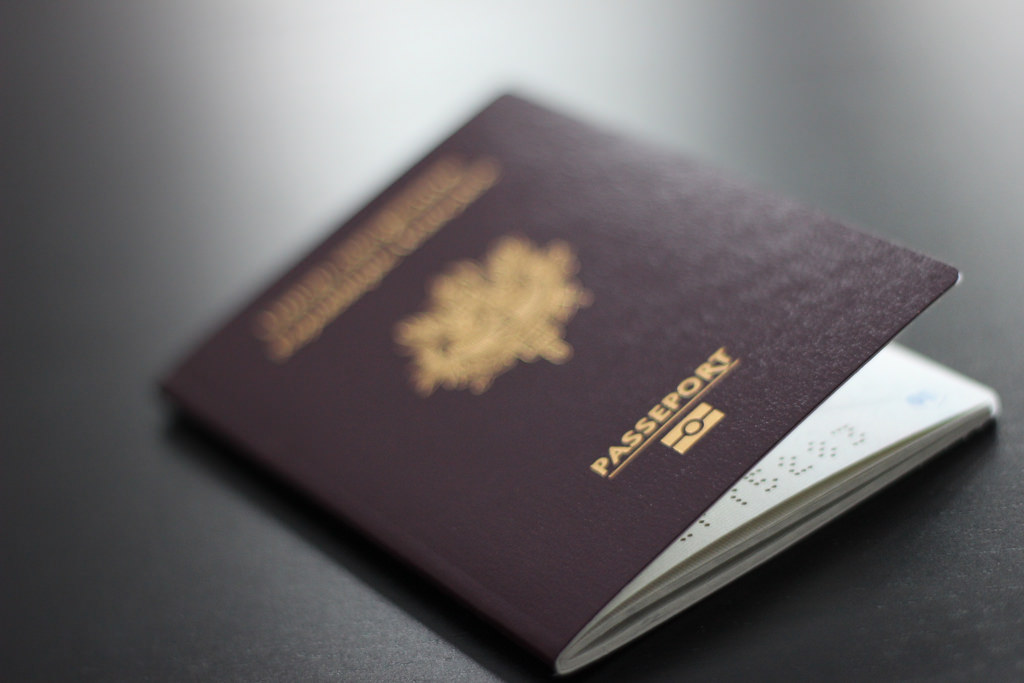
Tax Liabilities in Both Countries
If you hold U.S. citizenship, you have to pay taxes on income earned no matter where in the world you earned it. The only exception is if you hold a Canadian dual citizenship. If you earn more in Canada, you pay no additional taxes on income in the U.S. View tax treaties between your countries of citizenship, when applicable.
Extra Forms to Fill Out
Not only do you have to fill out two sets of tax paperwork to file in each country, there are additional forms to fill out on top of that. You have to prove income in the country you are residing in. If you had no income in the dual country, you must be able to prove that as well.
Confirm your Citizenship
If you live abroad, or were born abroad, you must confirm your citizenship. If your parents have non-U.S. origins, you might too and it should be looked into. This would likely make you a natural citizen of the country you were born in.
In Conclusion
It is difficult to get through tax season when you have dual citizenship. Having to prepare twice the amount of tax returns and include proper documentation to both countries regarding dual citizenship is stressful. It is better to pay a preparation specialist rather than trying to tackle this feat on your own to prevent mistakes.
Image credit: herve.padilla
Which Countries Have the Highest Taxes?
Americans think that they pay too much in taxes. Countries in other parts of the world pay more than 75 percent personal income tax and/or corporate tax. It is difficult to compare economies since the cost-of-living varies by individual region in each respective country. Regardless, affording to live after paying high taxes is stressful.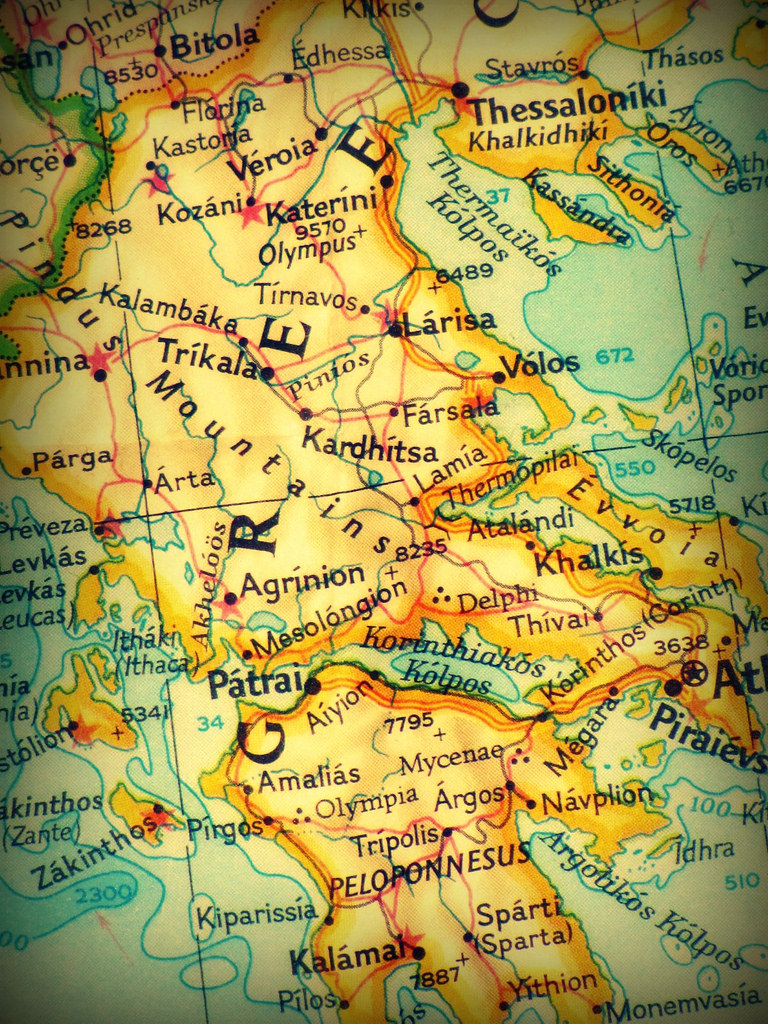
Spain
Individual income is taxed at a rate of 36.25 percent. Individual business owners pay between 20 percent and 49 percent in business taxes while corporations are taxed at a flat 25 percent tax. Madrid, Barcelona and Bilbao have the highest median wages in Spain, which are also major tourist destinations.
Monaco
Residents of Monaco pay between 38 percent and 54 percent personal income tax. A flat corporate tax of 33 percent is also in place. Monaco is a major international tourist destination and specializes in hand-crafted tiles. The major export business associated with Moroccan goods helps boost personal income and corporate revenue.
Argentina and Greece
In both Argentina and Greece, personal income tax is 44 percent. This is a high rate but also reflects the tourism that increases the income and/or personal profits of an individual. In Greece, corporations also pay a high tax rate ranging from 33 percent to a maximum of 66 percent.
Closing Thoughts
These are only a few countries with high tax rates in the world, on both personal income and corporate income levels. Several of these areas are taxed at higher rates due to their location and the amount of revenue that tourism and exportation of goods bring in. In most other countries, personal income taxes are not broken down by income level, but are taxed at a flat rate.
Image credit: Sarah Altendorf
Why Filing Taxes When Living Abroad is Harder
Living and working abroad comes with its challenges, especially at tax time. Americans are the only ones taxed on worldwide earnings. There are more forms to be filled out by those working and living abroad than those residing and working within the United States. Filing taxes abroad has become more difficult ever since Swiss banks have admitted to helping Americans hide assets offshore. The best way to minimize the headache which comes with filing taxes from abroad is to prepare adequately and perform copious research well before the deadline.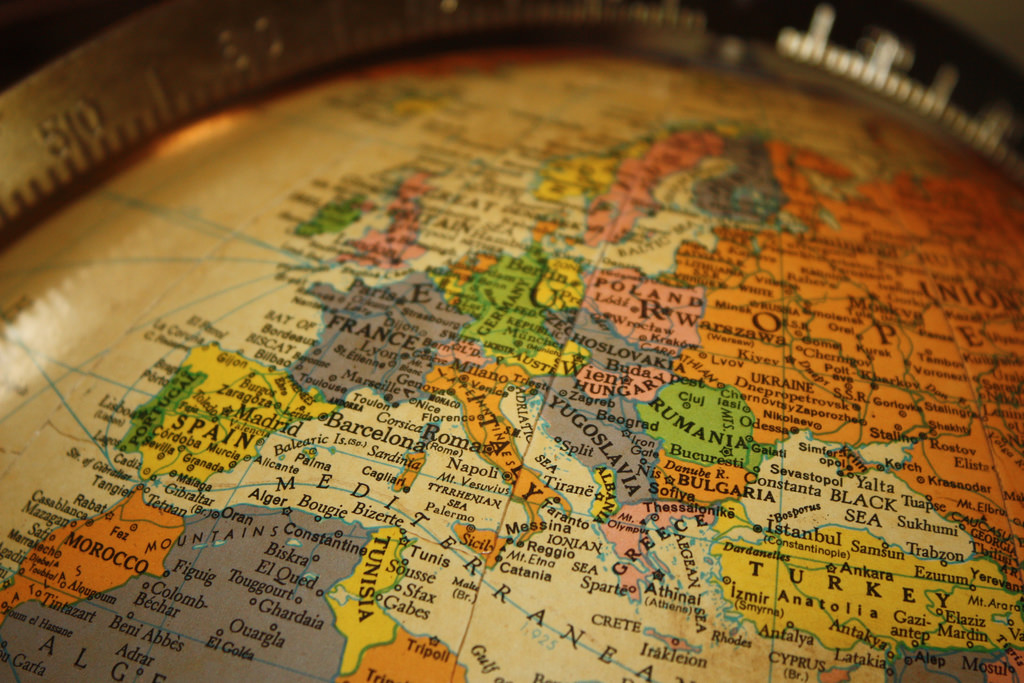
Foreign Earnings Reports
In addition to the stack of papers that must be filed for a traditional U.S. tax return, those working and living abroad must also fill out two additional forms. The foreign earnings report papers include wages, stocks, withholdings, investments and donations. The forms are difficult to understand and take a good amount of time to complete.
Frequently Changing Rules
It is difficult to keep up with the ever-changing rules of filing taxes when living and working abroad. The laws change frequently, so what was true last tax season may not necessarily be true during the next season. It is important to work with an internationally experienced tax preparer for this reason. Prior to completing a foreign tax return, ensure that you have read the latest publication of tax guidelines to avoid penalties and fines.
Bottom Line
Foreign assets must be disclosed even for those that have not lived in the U.S. for decades, including those that have never lived in the U.S. but were born to American parents. Fines up to $10,000 per year may be attached to a tax return for undisclosed foreign accounts. Americans living and working in foreign countries must report their earnings, regardless of what country the income was generated in.
Image credit: Mark Doliner


