How to File Taxes for Tax-Exempt Organizations
If you have received a tax-exempt designation, there are important details you must consider when filing your taxes for the fiscal year.
When You Need to File
All tax-exempt organizations need to file annual returns with the IRS four and a half months after their tax year ends.
Forms to Consider
Many churches, church affiliated organizations, state institutions, foundations, and other nonprofit entities are required to file some variation of form 990. These variations are 990-EZ, 990-N, 990-PF, and 990-BL.
990 filers must also fill out Schedule forms, whether they fall under the 990-EZ, 990-N, or 990-PF. These Schedule forms require information on an organizations charitable status for the year.
Determining Your 990 Forms
- An organization whose gross receipts are less than or equal to $50,000 must file a 990-N
- Organizations whose gross receipts are less than $200,000 and possess less than $500,000 in assets are required to file form 990-EZ or 990.
- Any organization with gross receipts greater than or equal to $200,000 or possess assets worth more or equal to $500,000 file form 990.
- All private foundations, regardless of their financial status, file form 990-PF.
- Split-interest trusts are not required to file a 990-PF. Instead, they must file form 5227 on their annual returns.
Losing Your Status
Failure to file for a particular tax year, or filing late, subjects you to IRS penalties. Any organization which consistently files late, or not at all, automatically loses tax-exemption.
When it comes to filing taxes for your tax-exempt organization, don’t file late.
Image credit: TaxCredits.net
The Basics of Claiming Non-Reimbursed Work Related Purchases
If you are employed, it is not advisable to take on work-related expenses which your employer should pay. You should not pay them, and your employer should reimburse you for the expense in question. However, should you find yourself in this position, know that you may be able to deduct work-related purchases from your taxes.
Things to Know About Claiming Non-Reimbursed Work Expenses
- Non-reimbursed work expenses are deductible much the same as if you were self-employed. Each expense you incur is subject to the same tax regulations as a business expense for someone who is self-employed.
- The expenses must be ordinary, necessary, and reasonable. There are special rules for other expenses, but they must apply in maintaining or improving the skills in your current job.
- Deductions for an employee’s related job expenses are limited. You can only claim the expense if it is more than 2-percent of your adjusted gross income. Anything below that, you cannot claim. The more your adjusted gross income is, the lower you can claim. Thus, it is recommended that you avoid making purchases for which your employer will not reimburse you.
To help you avoid claiming expenses for non-reimbursed work related purchases, it is best to review your employer’s reimbursement policy. Always be sure to claim from your employer any expense that you incur for your job. If you fail to do so, you will not be allowed to claim it as a deduction. Employees should never pay out of pocket for something which is necessary on the job.
Image credit: Andres Rueda
How Natural Disasters Impact Tax Liability
Natural disasters turn your life upside down in every way imaginable. The last thing you want to deal with is more stress at tax time after surviving a major natural disaster. Here is an overview of how your tax situation will be affected by a natural disaster whether you are an individual or a business owner.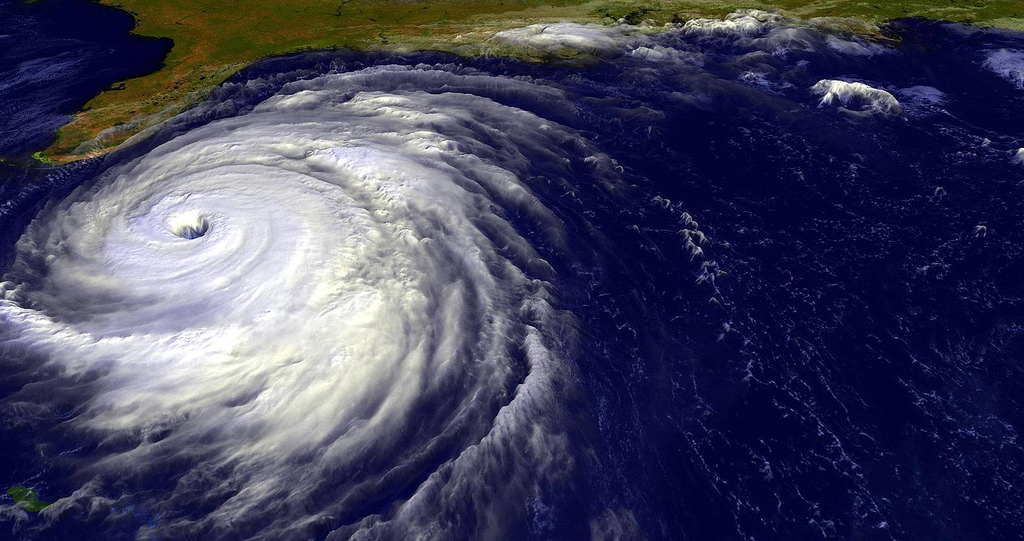
Property Tax Liabilities
Even if your home is destroyed and no longer standing, you still own the land. That makes you financially responsible for the continued payment of property taxes. You are only released of this liability upon the sale of your property. However, there may be loopholes that your tax preparer can find to waive the payment of property taxes following a natural disaster.
Available Credits & Deductions
Automatic aid from government organizations and government-funded organizations may not take care of you and your family for long after a natural disaster. There are provisions in place where you can file for a tax reduction to allow you more available money to rebuild your life.
Claiming Losses
Whether you own a residence or a business, you can file claims for losses on your tax return due to natural disasters. It is ideal to work with a tax preparation specialist to ensure that you are making the correct calculations. You can claim the loss of a home, property and business revenue.
Bottom Line
Following a natural disaster, it is important to keep your records together. This may be one year that you cannot file your own taxes due to loss itemizations and getting through worksheets for specific tax credits. Tax breaks typically do not last forever, but extensions and reductions do help.
Image credit: miltarymark2007
Which Countries Have the Highest Taxes?
Americans think that they pay too much in taxes. Countries in other parts of the world pay more than 75 percent personal income tax and/or corporate tax. It is difficult to compare economies since the cost-of-living varies by individual region in each respective country. Regardless, affording to live after paying high taxes is stressful.
Spain
Individual income is taxed at a rate of 36.25 percent. Individual business owners pay between 20 percent and 49 percent in business taxes while corporations are taxed at a flat 25 percent tax. Madrid, Barcelona and Bilbao have the highest median wages in Spain, which are also major tourist destinations.
Monaco
Residents of Monaco pay between 38 percent and 54 percent personal income tax. A flat corporate tax of 33 percent is also in place. Monaco is a major international tourist destination and specializes in hand-crafted tiles. The major export business associated with Moroccan goods helps boost personal income and corporate revenue.
Argentina and Greece
In both Argentina and Greece, personal income tax is 44 percent. This is a high rate but also reflects the tourism that increases the income and/or personal profits of an individual. In Greece, corporations also pay a high tax rate ranging from 33 percent to a maximum of 66 percent.
Closing Thoughts
These are only a few countries with high tax rates in the world, on both personal income and corporate income levels. Several of these areas are taxed at higher rates due to their location and the amount of revenue that tourism and exportation of goods bring in. In most other countries, personal income taxes are not broken down by income level, but are taxed at a flat rate.
Image credit: Sarah Altendorf
How to Re-file Old Taxes
When you “re-file” old taxes, you’re really just amending an old return. Amendments can be made for several years prior. It is not suggested to amend returns more than 3 years old as it can trigger an audit. 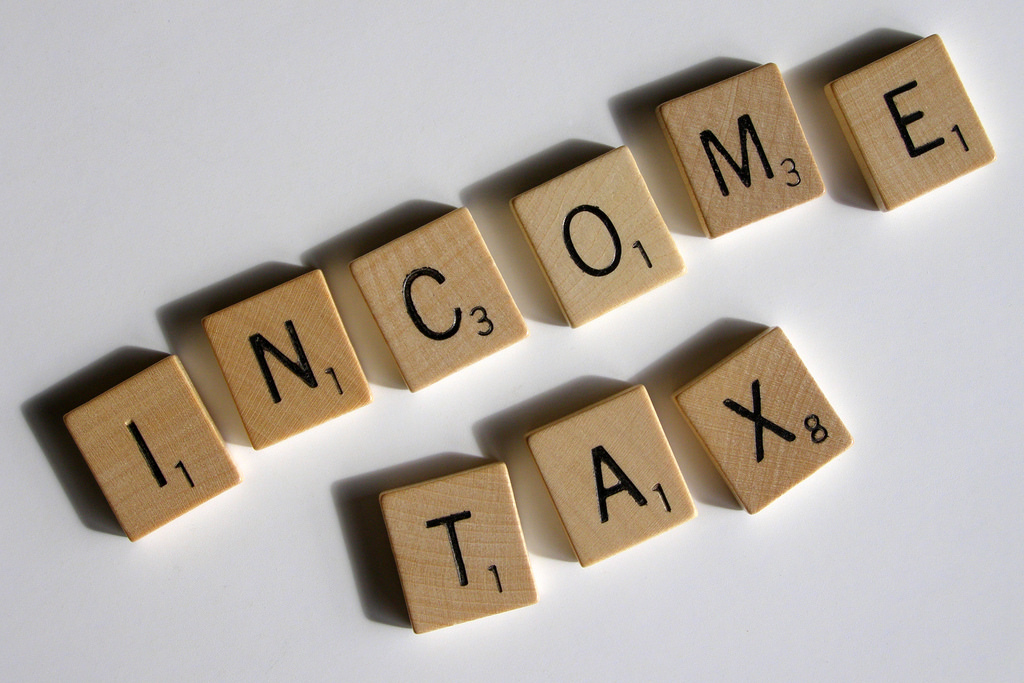
Form 1040X
Form 1040X is two pages long. It cannot be filed electronically. Use pencil first, and when you are sure that your figures are correct, go over the return in pen. Make sure that you have the right address for the IRS branch that the form needs to be mailed to and send it with delivery confirmation.
Be Prepared to Pay Back Interest
Almost every amended tax return is going to be subject to some kind of back interest. Even amended returns in a current tax filing year can be subjected to interest payments. Set aside enough to be prepared for the interest, or make arrangements to pay the balance within a specific amount of time.
Amend the Right Return
It is a common mistake to amend the wrong year’s return. Make sure that you are amending the right year as you file for earnings of the previous year. If a document shows 2012 earnings, you will amend your 2013 return.
Conclusion
As with any tax return, when you are re-filing an old return, it is important to double and triple check your numbers. It is also important to know that you may be subjected to an audit simply for the amendment, especially if it is one of a substantial amount.
Image credit: StockMonkeys.com
Why Filing Taxes When Living Abroad is Harder
Living and working abroad comes with its challenges, especially at tax time. Americans are the only ones taxed on worldwide earnings. There are more forms to be filled out by those working and living abroad than those residing and working within the United States. Filing taxes abroad has become more difficult ever since Swiss banks have admitted to helping Americans hide assets offshore. The best way to minimize the headache which comes with filing taxes from abroad is to prepare adequately and perform copious research well before the deadline.
Foreign Earnings Reports
In addition to the stack of papers that must be filed for a traditional U.S. tax return, those working and living abroad must also fill out two additional forms. The foreign earnings report papers include wages, stocks, withholdings, investments and donations. The forms are difficult to understand and take a good amount of time to complete.
Frequently Changing Rules
It is difficult to keep up with the ever-changing rules of filing taxes when living and working abroad. The laws change frequently, so what was true last tax season may not necessarily be true during the next season. It is important to work with an internationally experienced tax preparer for this reason. Prior to completing a foreign tax return, ensure that you have read the latest publication of tax guidelines to avoid penalties and fines.
Bottom Line
Foreign assets must be disclosed even for those that have not lived in the U.S. for decades, including those that have never lived in the U.S. but were born to American parents. Fines up to $10,000 per year may be attached to a tax return for undisclosed foreign accounts. Americans living and working in foreign countries must report their earnings, regardless of what country the income was generated in.
Image credit: Mark Doliner
Why 21% of Small Businesses File Their Taxes Offline
Recent polls suggest that roughly 21-percent of small business owners are doing their taxes themselves, without an accountant. They are also not using available online tax preparation software. For a business, with multiple pages of itemizations, this can be a recipe for disaster.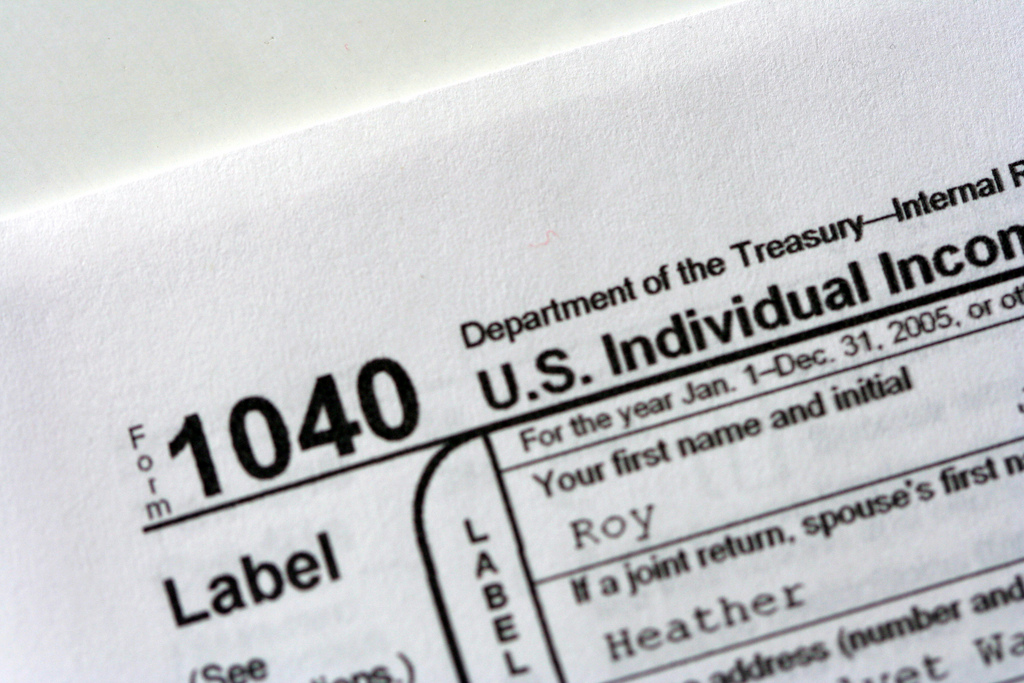
Higher Rate of Audit
Anytime that figures are completed on your own, and without the help of a professional, it is likely that you will be subject to an audit. This is mostly due to incomplete itemizations, missed credits or whole sections of missing information.
Greater Risk for Mistakes
There is a greater risk associated with filing your own small business taxes. Transferring numbers, forgetting a receipt or miscalculating an expense can throw the entire return off. Not to mention, you are already overworked and tired, mistakes are bound to happen.
Not Using Advanced Technology
Many small business owners are still keeping files of papers and boxes of paper receipts for tax purposes. Technology exists that can create a paperless system. Of course, you could still store documents in physical paper form, but consider scanning receipts into a cloud network and categorizing them for tax time. This will make your expenses easier to sort and calculate. It will also create efficiency and save time.
Businesses have to be meticulous when keeping records and should use the assistance of an accountant to prepare their taxes. Tax software programs and simple accounting software available to use throughout the year make filing taxes easy for small businesses. Using technology actually can create accurate shortcuts for humans.
Image credit: John Morgan
5 Celebrities Who Have Been Jailed for Not Paying Taxes
Avoiding taxes is not confined to those who identify as middle or working class. There are many people who are or were wealthy who have attempted to avoid paying any taxes. Here is a list of five famous (or infamous) people who have been jailed for trying to avoid paying their fair share to Uncle Sam.
John Gotti
John Gotti is one of the most famous people who have ever been sent to jail because of taxes. One of the reasons he is so famous for the tax evasion arrest is because the government was trying him on major charges as a mobster. The tax issue was the only thing the government was able to prove, however, and so this issue was used to put him behind bars.
Heidi Fleiss
One of the curiosities about the case of Heidi Fleiss is that she was jailed for taxes even though her business of being a madam was an illegal one. The government has determined that no matter how you get money, legal or illegal, you must still pay taxes on your income.
Wesley Snipes
Snipes was one of the biggest actors in Hollywood and also had one of the largest tax debts during the height of his fame. Wesley owed the government around 17 million in taxes at the time. He was sentenced to three years in federal jail in 2008.
Ja Rule
Rapper Ja Rule rode the billboards in the early 2000s with his label Murder Inc., however, he was sentenced to jail in 2013 for not paying his fair share of taxes during his time in the limelight.
Lauryn Hill
Known for her soulful songs, it was a shock when Lauryn Hill was sentenced to 3 months in jail over her 1-million-dollar tax bill in 2013. In 2014, she received yet another tax bill to work out.
Image credit: meesh
How to Save on Taxes via Parking and Commuting Costs
For some people, commuting to work is one of the largest expenses in their budget. If you spend much of your time commuting to and from work and much of your money on gas and parking, here are some tips on using these expenses to save on taxes.
Ask for Pre-Tax Commuting Benefits
If you live in a metropolitan area that has transit, many transit authorities will set up pre-tax purchase plans with workplaces. For example, your employer can offer monthly commuter passes for the trains and buses in your area and allow employees to take off the commuting costs from their pre-tax income. This provides you with a green commute and saves pre-tax money, as well.
Go Directly from One Job to Another
If you have more than one job or more than one work site, you can go from one site to the next and deduct these expenses on your taxes. Since this is direct work-to-work commuting, this is a work cost that is deductible from taxes. Make sure that you keep track of work-to-work commute expenses and mileage during the year.
Self-Employed Can Write Off All Commuting
If you are self-employed, you can write off the commute that you use in order to see clients or conduct business activities, including parking. If you do freelance work or if you own your own business, keep track of the mileage that you use during the year, the tolls that you pay, and any other commuting expenses. This can be used to your benefit during tax time.
Image credit: Charlie
Is Your Tax Refund Safe?
For the most part, your tax refund is safe. There are few instances in which your fecund may be in jeopardy. Thieves are on high-alert during tax season, watching bank accounts and mailboxes. Here a few tips you can use to maximize the safety of your refund.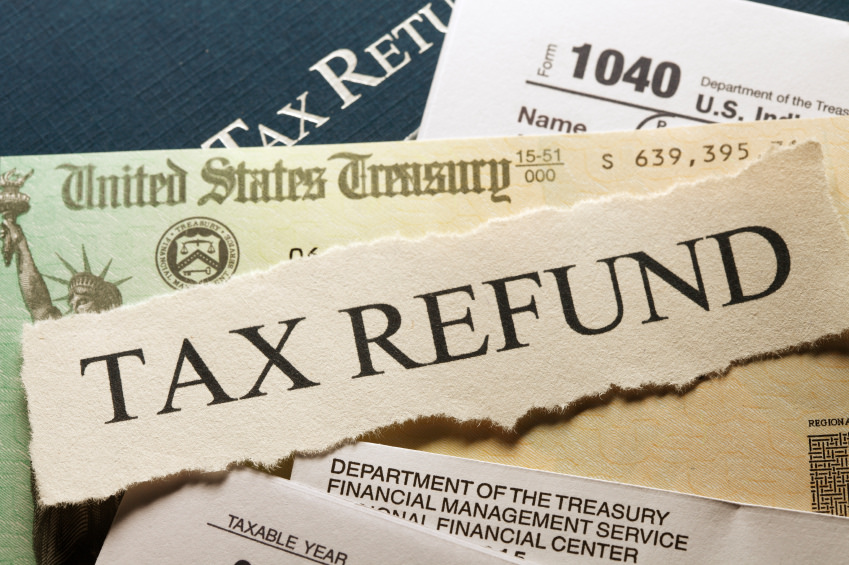
Use a Secure Banking Institution
It is best to use a well-known and reputable banking institution. This helps provide some reassurance that your bank will not be hacked and funds stolen. Security breaches do not happen often, especially with banking institutions, but using a larger institution is often a better idea due to the increased security measures put in place.
File Electronically
Filing electronically really is the safest way to file your taxes. When you file electronically, select the direct deposit option. This is the most secure option. The IRS computer system is very secure.
Paper Checks
Paper checks are the most vulnerable. These can get lost or stolen during mail delivery. Mistakes do happen where mail is delivered to the wrong home, and in most cases, the checks are returned for redelivery. If you do not receive your refund by the estimated date given, contact the IRS to inquire.
Always know when your refund is expected. Allow an extra 48 hours in case there is a backup in the mail system or computer processing of your refund. When your refund is definitely late, you can view the status of your refund on the IRS website. When additional questions exist, contact the IRS via phone and patiently wait for your turn in line as wait times are substantial.
Image credit: Andrew Brody


