Three Tips You Can Always Use When Filing Taxes

Tips for Filing Taxes
Every single year the IRS releases new changes to their tax filing systems. Oftentimes the changes the IRS makes can come so swiftly that we can’t seem to keep up with the changes from year to year. While the changes can be frequent, there are still ways your company can be smarter about their taxes each here. Here are three tips you can always use when filing taxes:
Educate Yourself
One of the tips you should always be willing to implement when it comes to your taxes is making sure you always educate yourself. Educate yourself by reading books about filing taxes, taking time to attend seminars or even asking local tax professionals how certain tax laws work. Educating yourself is what will help you if you decide to file your own taxes and it can also help if you hire an accountant to do your taxes for you.
Track Expenses
Tracking your expenses is always something that you as a business owner or taxpayer should be doing. Tracking expenses not only helps you make sure you’re monitoring what is coming in and out of your bank account, but it’s also a great way to make sure that you’re getting all your tax write offs when filing season arrives.
Don’t Combine Personal and Business Taxes
Combining personal and business taxes could literally turn into a living nightmare. By combining personal and business taxes, not only are you putting yourself at risk of being audited, but you’re also putting yourself at risk for owing high amounts of money to the IRS. Best way to avoid this? Don’t combine the two.
What other tips do you believe are indispensable during tax time? Leave your comments below.
Image credit: aboblist.com
How Your CPA Can Help You Avoid Tax Scams

Avoiding Tax Scams
Whether your realize it or not, throughout the year, your company is at risk of several types of scams, including financial scams, tax scams, non-profit scams and even identity fraud scams. Despite this veritable avalanche of fraudulent activity, there are ways that your CPA can help you avoid tax scams at no extra cost to you. Here are three of these ways:
Here are three of these ways:
Your CPA Can Encourage You to File Early
Those who generally wait until the last minute to file their taxes are at more risk being scammed than any other group. This is often because those who are scamming you will file early in the hope of obtaining your refund before you do. The sooner you file each year, the greater are your chances of being able to avoid tax scams.
Help You Watch Out For Phishing
Taxpayers should always be on the lookout for potentially fraudulent or fake emails which are created specifically to steal your information. One important note to always remember is that the IRS will never contact you via email. When in doubt, always pick up your phone and call the IRS directly.
Discourage the Use of Non-Certified Preparers
There are lots of dishonest tax preparers who are readily available throughout tax season to provide assistance to you. These dishonest preparers usually work to steal your identity or steal your refund, and if you’re not careful, they could put you at risk for other fraudulent behavior.
Has your CPA worked with you in other ways to help you avoid tax scams? We want to hear all about it. Leave your comments below.
Image credit: Alachua County
Work from Home? Here’s How It Can Help You during Tax Season

Home Office
Employees who work from home are increasing in number like never before. Currently, employees who work from home constitute a sizable piece of the workforce. In many cases, these employees may be eligible for tax deductions that are unavailable to in-office employees. If you’re not sure how to claim these deductions, you want to first check with the IRS to make sure you meet the criteria because falsely utilizing these deductions could cost you substantial penalties later.
Home Office Deduction
If you use your home office regularly for business purposes, you should be able to deduct a portion of your home-related expenses, such as mortgage interest, property tax and some utilities.
Keep track of mileage and travel expenses
Do you use your personal vehicle for business travel? Do you pay for meals and hotels out of your own pocket? This might allow you to qualify for a tax deduction. If your employer reimburses you, you can’t deduct it; however, if they don’t reimburse you, deduct away.
Keep thorough records and save receipts
If you want to ensure that you are keeping accurate records of expenses, be sure to spend extra effort keeping records and save receipts. The IRS recommends that you write your expenses down or get a log book that will help you keep track just in case anyone asks questions later about your deductions. Records kept on your computer will satisfy this requirement.
Self-employed individuals and independent contractors
While people who are self-employed or independent contractors are not technically employees, you may still be eligible for the same deductions.
Image credit: dusk-photography
Tips to Maximize Your 2017 Tax Refund

Tax Refund Money
The holidays are here, which means that it’s almost tax time. We’re sure that in the midst of travel, friends, family, and food comas, that the last thing you want to think about right now is taxes. However, many of us tend to have some extra down time around the holidays, and we believe that’s a good time to start organizing and strategizing for next year’s taxes.
Get started early
While it’s impossible to project all of your expenses and income, it’s not a bad idea to start budgeting and planning now to get ahead of the game–especially if you plan any large purchases.
Get organized now
Planning to build a home office? Major home upgrades? New degree? Sending a child to college? Develop a roadmap for your major expenses or changes to income.
Research deductions
Deductions are numerous – all of the aforementioned examples could qualify for a tax deduction. Know your deductions; doing so may help you plan any major expenses and can get you ahead for subsequent tax years.
Get an app
From spreadsheets to dedicated tracking apps, expense and income tracking software is truly indispensable. Shelling out a few dollars for some budgeting software can help keep you organized for tax time, which can help you both balance your budget and increase your tax refund. That being said, always remember to back up your records!
Consider a CPA
Although we’ve often lauded the benefits of budget balancing software, that doesn’t mean it’s an adequate replacement for a good CPA. Rather the two are complementary: software can keep you organized, which can help your CPA make sense of your finances. In turn, a good CPA can help you with tax deductions and business recommendations, thereby maximizing your tax refund.
Image credit: Images Money
Some Do’s and Don’ts of Business Expense Tracking
Do:
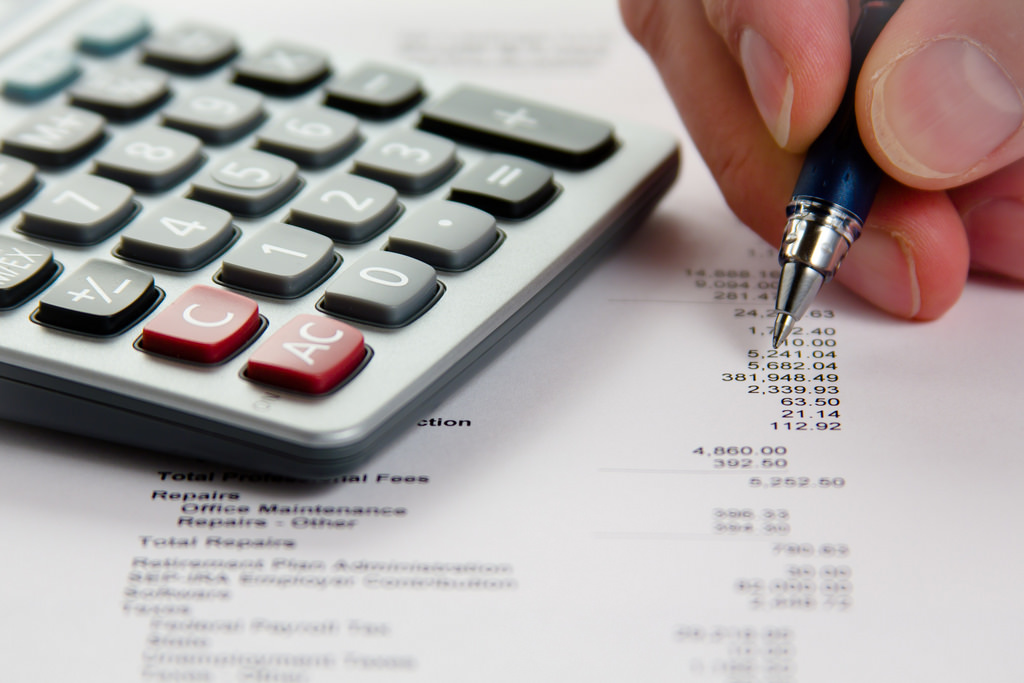
Business Expense Tracking
Track everything
If you want to maximize your tax return, there’s no such thing as having too many records. Keep receipts and invoices. Log mileage. Keep records of any and all business-related expenditures.
Backup everything
One record is not enough, and you should always backup for your backups. Many expense tracking apps provide backup options, or the ability to export data so you can back it up to your personal cloud or external hard drive.
Be honest about your expenditures
Don’t round up. Or Down. If you are unable to procure a record of an expense, ask your accountant for options if you had planned to claim a deduction.
Track as you go
Don’t rely on your memory to claim mileage or expenditures. In the event of an audit, any discrepancies or inaccuracies will only invite further scrutiny.
Don’t:
Fudge the numbers
As previously mentioned, don’t round or estimate your income or expenses. Doing so may come back to bite you during tax time.
Rely on one set of records
We’ve recommended software before, but we can’t stress enough how indispensable expense tracking software can be. More robust offerings will also allow you to export and backup your files, meaning you can keep backups of your backups in case of a disaster or cyber attack.
Mix business and pleasure
At least do not mix them when it comes to tracking expenses. While there are some potential workarounds to a family trip–for example if you have a legitimate business trip and decide to bring your family along, you can deduct your own transportation expenses but if you start trying to claim business trips for yourself, spouse, and kids, or claim a day spa as a business expense, you’re sure to draw the attention of the IRS at tax time.
Image credit: www.rentvine.com
On the Road: Traveling and Taxes

Travel Expenses
Traveling can be exciting, but it can also be costly. The cost of traveling can be somewhat insulting if the travel is required for work and you don’t have an employer who reimburses your out-of-pocket expenses. But good news: many costs you incur can be deducted from your taxes. Here are a few well-known – and some less well-known – expenses that you can claim while on the road.
It’s worth noting that expenses you intend to claim must be business-related (e.g., if you call your mother long distance from a hotel while on a business trip, you cannot claim the phone call as a “business expense”). Further, your expenses must be necessary, reasonable, and ordinary expenses–in other words lavish expenditures or indulgences are not deductible.
Also, always remember to track your expenses!
- 50% of the cost of meals: why eat fast food, when you can eat reasonable food? This deduction not only makes traveling less expensive, but also makes healthier food choices less cost-prohibitive. Bon apétit!
- Airfare, bus fare, railway fares, and baggage fees: often the most expensive part of traveling, these expenditures are, in fact, deductible.
- Local transportation costs: taxi, Uber, and bus fares are all deductible.
- Expenses of operating and maintaining a car used for business commuting or travel: this includes the cost of gas, oil and fluids, parking fees, tools, even parts and repairs.
- Cleaning and laundry fees: look sharp for business!
- Computer and hardware rental fees: internet cafes are generally a thing of the past in the US, but if you need pay for wifi, or to rent a computer, projector, etc. for your business purposes it is deductible.
Image credit: Yuri Long
End of Year Tips to Prepare for the 2017 Tax Season

Preparing for Tax Season
It’s autumn, which means that the holidays are almost here: time for food, family, festivities, and perhaps traveling. It also means that tax season is just around the corner, and while no one wants to think about taxes early, getting organized now will prevent headaches when you’re filing your 2016 return.
Here are a few tips to help you prepare:
- Catch up on records from previous months: if you’re behind on your financial and expense records from previous months, there’s no time like the present to get that all in order. Don’t wait until tax time to get caught up, as you’ll have an even longer backlog come February.
- Organize everything: this may seem like a no brainer, but the sooner the better. Plan ahead if you’re planning to claim deductions or tax credits, and organize the associated documentation. Dig up receipts and invoices now, so you won’t have the extra hassle of rummaging through records at tax time.
- Take time to put everything in order: with the holidays coming up, you’re bound to be busy, but after the festivities you’ll likely have some extra downtime. Use some of that extra time to organize things.
- Find a good CPA: you’re organized, but you don’t feel like going through the hassle of crunching numbers? A good CPA can help you with that, and can help you maximize your tax return.
Image credit: bztraining


