Posted by adminjian on October 4, 2016 · Leave a Comment
Bitcoins are a popular form of digital currency which have been around for around a decade now. This form of currency is not operated or regulated by a central bank, but uses encryption techniques to help with regulating each of the currency units and verifying all the transfer of funds to and from accounts.
Bitcoins became extremely popular as the release of PayPal and similar companies offer a worldwide bitcoin to help with purchasing and selling goods across the globe without currency restrictions. What made it even better was the fact that Bitcoins couldn’t be controlled by current currency rules, making them tax-free. This led to the value of a single bitcoin to rise to $1,194 in late 2013.
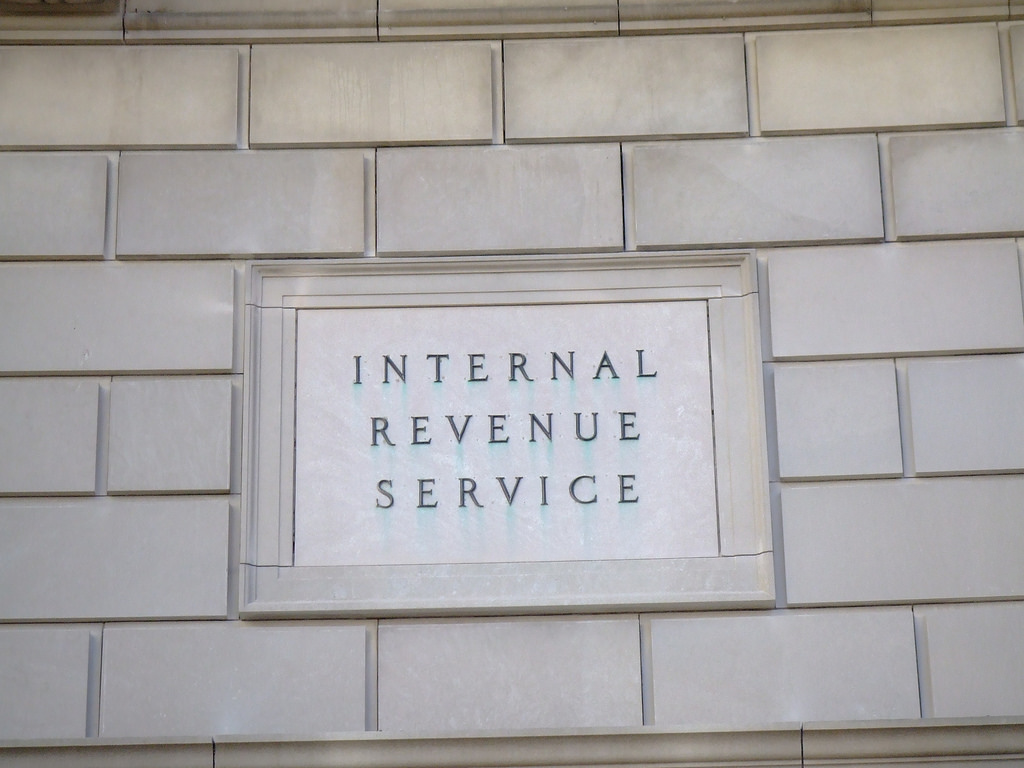
The Internal Revenue Services (IRS) and other national revenue services sought to close this tax-loop, forcing new laws into effect that made bitcoins an asset rather than a currency. Therefore, anyone who purchases bitcoins needs to claim these on their taxes, after excluding fees associated with getting the assets. This includes electricity and internet usage during the time the bitcoin was acquired.
The IRS now finds it mandatory that all people file taxes on their bitcoins in either of these cases:
- Using bitcoins that are purchased from someone else to buy goods or services;
- Using any mined bitcoins to buy their services or goods;
- Selling personally-mined bitcoins to a third party service; or
- Selling bitcoins to a third party which were originally purchased from someone else.
Each of these will be subject to their own mandatory taxes. Hiring a company to help you with your bitcoin taxes is advised to avoid any errors with filing.
Image credit: CafeCredit.com
Posted by adminjian on September 29, 2016 · Leave a Comment
The IRS is working to reduce tax fraud, which will result in some refunds being delayed. The delays are said to affect mainly those claiming the Earned Income Tax Credit (EITC/EIC) and Additional Child Tax Credit (ACTC). If neither of these situations applies to you, no delay should be experienced.
Electronically Filed Returns
Even if you file your tax return electronically, if you are claiming either the EITC/EIC or ACTC, you may experience a delay due to increased verifying procedures. The IRS must now verify every return down to the penny that is claiming either of these credits.
Special Deductions & Credits
If you are filing early and claim either the EITC/EIC or ACTC, your refund is likely to be delayed slightly this year. The IRS has to verify that you can receive any funds remaining after claiming the regular Child Tax Credit, which would result in you potentially being eligible for the Additional Child Tax Credit.
Paper Filers
Paper filers may experience normal delays, due to mail delivery processes. It is actually a better option to file online as it is virtually impossible for your return to get lost using this method. It typically takes paper filers longer to complete their returns too.
Closing Thoughts
The IRS is still expecting to process returns within 21 days, but some refunds may not be issued until February 15, 2017 for those that file early. Given the fact that Americans are more aware of credits and deductions, the size of the average tax refund has increased. This has prompted the IRS to look closer at returns to find additional cases of tax fraud.
Image credit: Andrew Brody
Posted by adminjian on September 27, 2016 · Leave a Comment
If you have not explored the changes to tax regulations effective for the 2016 tax year, it is a good idea to get up to speed before you complete your return. These changes could significantly affect your refund, or result in you owing the IRS. If these new regulations are set to affect you negatively, seek out additional credits and deductions to help.
Affordable Care Act Penalties
The penalties for not having health insurance are increasing. The maximum penalty is now $2,085, which is the premium cost for the average of Bronze Plans in the federal exchange. Avoiding this penalty would have required you to obtain health insurance coverage by the end of February 2016.
Increased Earned Income Credit
The Earned Income Tax Credit was increased. With three qualifying children, the maximum deduction you can be eligible for is $6,269, which is an increase of $27. Families that qualify with no children can only claim $506 for the credit.
Exemption Changes
The amount claimable for personal exemption increased to $4,050. If you are in the higher income brackets, this exemption is not available to you. The trade-off is that heads of household have been given a slight increase to their standard deduction.
Educator Expense Deduction
Teachers that spend their own money on classroom supplies and educational materials may be eligible for a credit. When the educational facility you work for does not reimburse you for your expenses, you may be able to claim a $250 deduction.
Final Thoughts
Before taxes are filed in 2017, additional changes could come into play. It is important to review the IRS website for new tax regulations, especially for regulations which will affect you directly. Many of these increases can be offset with credits and deductions.
Image credit: Alan Cleaver
Posted by adminjian on September 23, 2016 · Leave a Comment
Every year, the government collects billions of dollars of taxes without knowledge of its origins. In some cases, the taxes were paid by people who got married and did not change their names for tax documents. Roughly, $12 billion annually is paid to state and local governments from illegal immigrants.
Lower Wages
Undocumented immigrants are typically paid lower wages than legal citizens. This reduces how much the illegal immigrants have to pay in income taxes, allowing those workers to send financial aid to family members outside of the U.S. Despite receiving lower wages, undocumented immigrants, on average, pay more income taxes than the highest earners in the country.
Income Taxes
Undocumented immigrants account for roughly 5 percent of the U.S. labor force. Without legitimate social security numbers and photo identification, income taxes are paid, but there are holes in the paper trail as to where the funds came from. About 14 percent of undocumented immigrants work in hard labor positions while another 13 percent work in sales and administrative roles.
Tax Dodgers
A large portion of undocumented immigrants pay income taxes merely because their employer requires it. And a large percentage of undocumented immigrants pay no income tax at all: it is estimated that 50 percent of undocumented immigrants do not pay income tax. Many of these persons are also receiving some kind of government benefit on top of their regular earnings.
Closing Thoughts
Many believe that undocumented immigrants do not pay taxes, but a large portion of them do. Without necessary paperwork, however, if they are due a refund, they may never see it. Reports show that one third of U.S. homes are owned by undocumented immigrants who are required to pay property taxes.
Image credit: Linus Henning
Posted by adminjian on September 20, 2016 · Leave a Comment
How long should you keep your tax records after filing? Both individuals and business owners struggle with this question every year. It is important that you are holding onto your records for the suggested amount of time in case of an audit or when filing an amendment is required.
2 Years
You can discard your tax returns two years after a tax liability is paid. You can also toss your tax records after two years if you received a refund. Businesses should keep their records, at least in the form of a copy of a filed return.
3 Years
If you have filed your tax return and all of the liabilities or monies owed to you are taken care of, you can discard the return after three years. This only applies to individuals. Businesses are advised to keep records for the entirety of the business.
7 Years
If you have filed any type of claim that shows a loss, such as a capital loss on an investment, you should keep your records for 7 years. This is also the case if you have losses from worthless securities. Bad debt deductions, when documented, also require that you keep your records for 7 years.
Final Thoughts
It is a good idea for businesses to keep record of all of their taxes from the date of origin. Delayed tax issues and scandals can come about, meaning that a look further into your tax history may be required. If you do not file a paper return, maintain access to your electronically filed returns and print physical copies to keep on file.
Image credit: Philip Taylor
Posted by adminjian on September 14, 2016 · Leave a Comment
Identity theft is unfortunately something which occurs rather frequently. One form of identity theft involves a thief falsely claiming someone else’s tax return as their own. Identity thieves file tax returns using false information and documents. It makes it nearly impossible for the real person to file their tax returns, and in some cases it causes the victim to experience a significant delay in processing their return. Here are a few things you should do if someone happens to fraudulently claim your tax return.
Report Tax Fraud to the IRS
If you receive a notification that a tax return has already been filed for your social security number, contact the IRS immediately. You may be placed on-hold, but it is important to wait on-hold until it is your turn in line. Explain to the representative that you tried to file your taxes but received a notification that a return was already filed – but you did not submit the return.
Gather Proof of Identity Documents
The IRS is going to ask for documentation to prove your own identity. It seems a bit much, but they have to be sure that you are not trying to defraud them. You will be asked to provide documents like birth certificates, copies of photo IDs, copies of social security cards and possibly employment records.
Closing Thoughts
Once you have the list of requested information from the IRS, gather it quickly, and send it off. The faster the IRS receives your documents, the faster they can process the fraud claim. Now, if someone has claimed you as a dependent on their return but you are not a dependent, the same set of documents is likely to be requested.
Image credit: Chris Potter
Posted by adminjian on September 9, 2016 · Leave a Comment
You might think that anything considered income is taxable. This is a myth. There are over a dozen types of income that the IRS cannot tax, and five of the most common are briefly discussed here.
Veterans Income
Income earned while working for the Federal government in the Military is not taxable once you have veteran status. Benefits paid to veterans’ families are also non-taxable. Education allowances, disability compensation, and grants for homes are also non-taxable.
Welfare Payments
Monies paid to you from a state-funded program, such as cash assistance and food assistance, are not taxed by the IRS. You will receive statements, and these should be kept for your records. In case of audit, these documents will be requested.
Child Support & Foster Care Payments
If you receive child support from a biological parent or foster care payments from the state, that income is tax-free. The child’s biological parent is already paying taxes on his or her income before it is distributed to you.
Worker’s Compensation Income
The Worker’s Compensation Act protects the income of injured workers from being taxed. You are unable to earn your regular income, and worker’s compensation is often less than your regular wage. A wage statement may be sent by worker’s compensation for your records.
Inheritances
The estate of your deceased loved one pays taxes. State taxes may be required on some inheritances. You will receive a form to file with your taxes, but this income cannot be taxed.
Final Thoughts
If you are unsure if you should report your income, view the IRS’ list of non-taxable income sources. A tax preparation specialist can answer additional questions. Don’t report income that you don’t have to.
Image credit: Ray Tsang
Posted by adminjian on September 2, 2016 · Leave a Comment
Even if you are not married, both parties in a relationship can claim the mortgage interest deduction. What you do is straightforward: follow the money. If you pay the entire mortgage, you claim the entire mortgage.
Calculate Shares of Deduction
To calculate your share of the deduction, multiply your monthly portion of the mortgage payment by 12. You can deduct this amount. If you pay percentages, calculate that percentage instead.
1098 Form
The IRS only issues one 1098 form, regardless of how many names are on the title or deed of a house. The person whose name appears first on the title will receive the 1098 form. This does not mean that only one person can claim these funds.
You will need to file a Schedule A return, explained below, and you will be able to separate your deductions accordingly on the Schedule A. It is ideal to make copies of the 1098 form for all parties listed on the title or deed of the home.
Completing Schedule A
The person receiving the 1098 form will enter their portion of the deduction on line 10. Those who are not included on the 1098 will enter their deduction on line 11. You will also include a note, “see attached,” for proof of home ownership and mortgage payments. This attachment should be a detailed statement of how much interest was paid by each person listed on the deed.
Finalizing Things
Some couples may choose to trade years to claim the entire deduction. Keep all tax records of who is filing when in case of audit. You deduct what you personally paid into the mortgage.
Image credit: CafeCredit
Posted by adminjian on August 31, 2016 · Leave a Comment
Dual citizenship may seem like a good idea upon cursory inspection, but this idea may change as soon as tax time rolls around. The easiest dual citizenship status to work with is Canadian and American. When you start working with an American citizenship and an overseas citizenship, things get confusing. An international tax expert is helpful in these situations.
Tax Liabilities in Both Countries
If you hold U.S. citizenship, you have to pay taxes on income earned no matter where in the world you earned it. The only exception is if you hold a Canadian dual citizenship. If you earn more in Canada, you pay no additional taxes on income in the U.S. View tax treaties between your countries of citizenship, when applicable.
Extra Forms to Fill Out
Not only do you have to fill out two sets of tax paperwork to file in each country, there are additional forms to fill out on top of that. You have to prove income in the country you are residing in. If you had no income in the dual country, you must be able to prove that as well.
Confirm your Citizenship
If you live abroad, or were born abroad, you must confirm your citizenship. If your parents have non-U.S. origins, you might too and it should be looked into. This would likely make you a natural citizen of the country you were born in.
In Conclusion
It is difficult to get through tax season when you have dual citizenship. Having to prepare twice the amount of tax returns and include proper documentation to both countries regarding dual citizenship is stressful. It is better to pay a preparation specialist rather than trying to tackle this feat on your own to prevent mistakes.
Image credit: herve.padilla
Posted by adminjian on August 30, 2016 · Leave a Comment
It can be difficult to understand tax language because of its complexity. The complexity of tax language often leads to misinterpretations of tax laws. Believing some of these misinterpretations can lead to mistakes on your tax return. Today we will discuss three common myths which surround taxes and provide clarification so you can avoid making mistakes in the future.
Students are Exempt
If a student earns less than $9,000 in a tax year, they are exempt from paying taxes. While students do not have to start paying back student loans until after graduation, that does not exempt them from paying taxes. Students are still responsible for paying federal and state taxes on all income over $9,000.
Having a Home Office is an Automatic Audit
Having a home office will not necessarily lead to an audit. But is important to review what can be claimed and what counts as a deduction to ensure that you are taking the proper steps for claiming your home office. Your numbers must make sense to the IRS.
Holding Accountants Liable for Mistakes
Accountants are not liable for mistakes on your tax return. You are signing the return and it is your duty to double-check all of the information on your return. If you notice a mistake or believe something is off, it is ideal to question your accountant before allowing your return to be submitted.
In Closing
If you are unsure about a tax law, it is important to research the answer or call a professional. Tax laws can change, so what is law this year may not be next year. Stay up-to-date on the laws that pertain to your tax situation to prevent return rejections and audits.
Image credit: Alan Cleaver
« Previous Page — Next Page »